حالات شائعة
- حواف سوداء
- خطوط التغذية
- آثار الثقوب
- خلفية نسخ رمادية
Why photocopies degrade
Old photocopies often carry artifacts from the copier itself: dark margins, dust, streaks, punched-hole shadows, crooked placement, and repeated contrast loss. A scan of that photocopy captures all of those problems as part of the page image.
Clean artifacts without erasing context
Ask for copier artifact cleanup rather than a perfect white page. Notes, stamps, diagrams, underlines, and marginal marks may be part of the document. The goal is to lower distraction while keeping content traceable.
Best use cases
This workflow fits worksheets, office copies, archive packets, manuals, handouts, and forms that are readable but visually noisy. It is not appropriate for claiming a document has been officially restored or authenticated.
Batch cautiously
Photocopied packets often vary from page to page. Test one representative page, review the result, then reuse the same style only on pages with similar artifacts.
What a good cleanup preserves
A good after image should still look like the same document. It may have less border noise, fewer streaks, and clearer text, but the notes, diagrams, page order cues, and original spacing should remain. If a worksheet has boxes or a manual has thin illustration lines, those details are part of the content. The cleanup should reduce distractions around them, not erase them.
How to handle mixed-quality packets
Old photocopied packets often include pages from different sources. One page may have black borders, another may have pale text, and another may be skewed. Do not assume one prompt fits every page. Group similar pages, test one page from each group, and keep prompts specific: border cleanup for one group, faded text darkening for another, and streak reduction for feeder-scanned pages.
When to stop cleaning
Stop when the document becomes easier to read and key details remain stable. More cleanup is not always better. If the page starts to lose margin notes, gray pencil marks, or faint diagram labels, the next prompt should reduce intensity. For old copies, a little visible age can be acceptable if the content is clearer and trustworthy.
Common review points for photocopies
Photocopied pages often fail around the edges first. Check headers, page numbers, punched holes, footers, and any content close to the margin. Then inspect the center of the page for feeder streaks or copy noise that crosses text. If the cleanup reduces those distractions without changing the content, the page is ready to export. If it removes marks that identify the source, keep the original and use a lighter cleanup.
Example prompt for old photocopies
Try a prompt such as: "Reduce photocopy haze, dark borders, feeder streaks, fold shadows, and background noise. Preserve typed text, handwritten notes, diagrams, page numbers, punched-hole marks, and the original layout." This prompt avoids pretending the document is new. It asks for a cleaner reading copy while still respecting the artifacts that may help identify where the photocopy came from.
Related example to compare
Use a photocopied worksheet or dirty scan example as a reference, not as a promise that every old copy will behave the same way. If your document has marginal notes, stamps, or punched holes, make those preservation requirements explicit. The best result is a cleaner reading page, not a document stripped of all source clues. Review one enlarged corner and one dense paragraph before accepting the export. Keep the original nearby too.
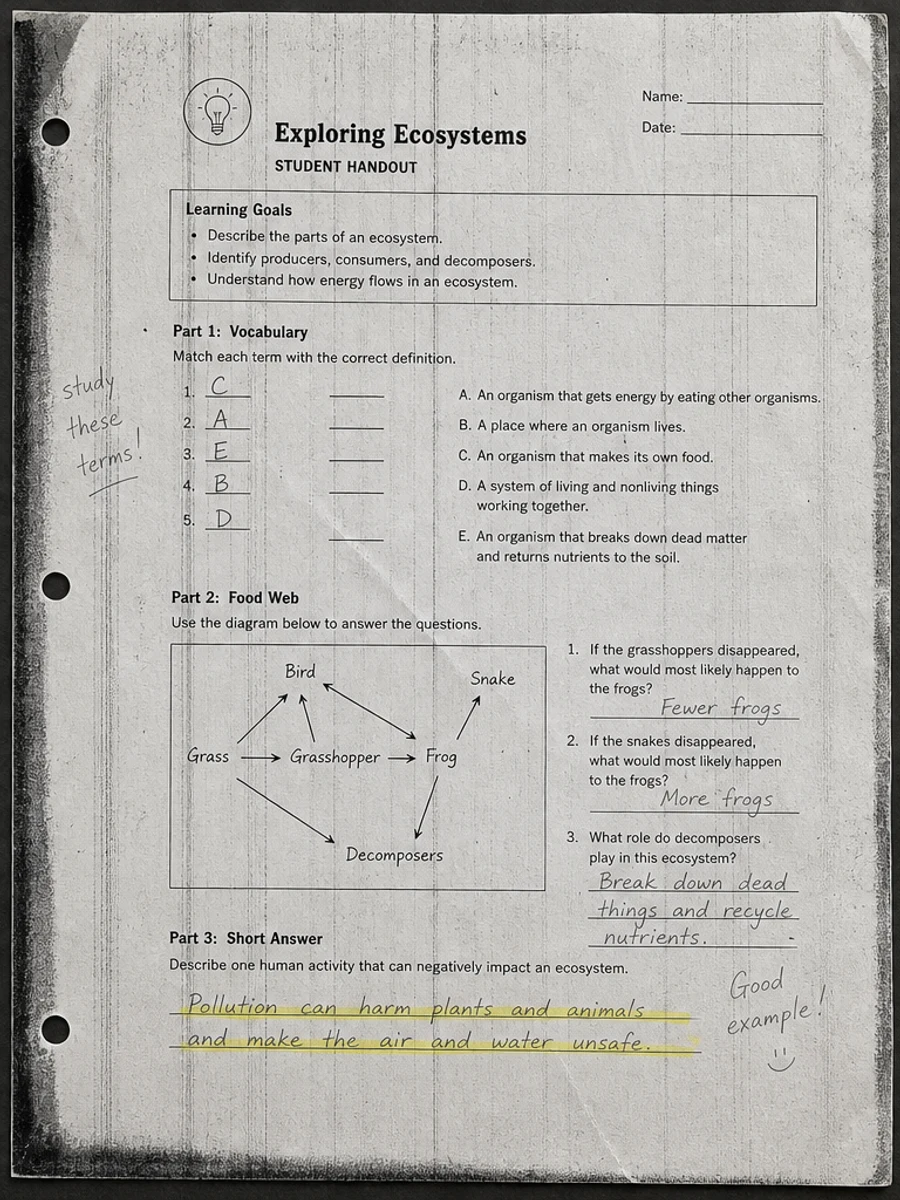
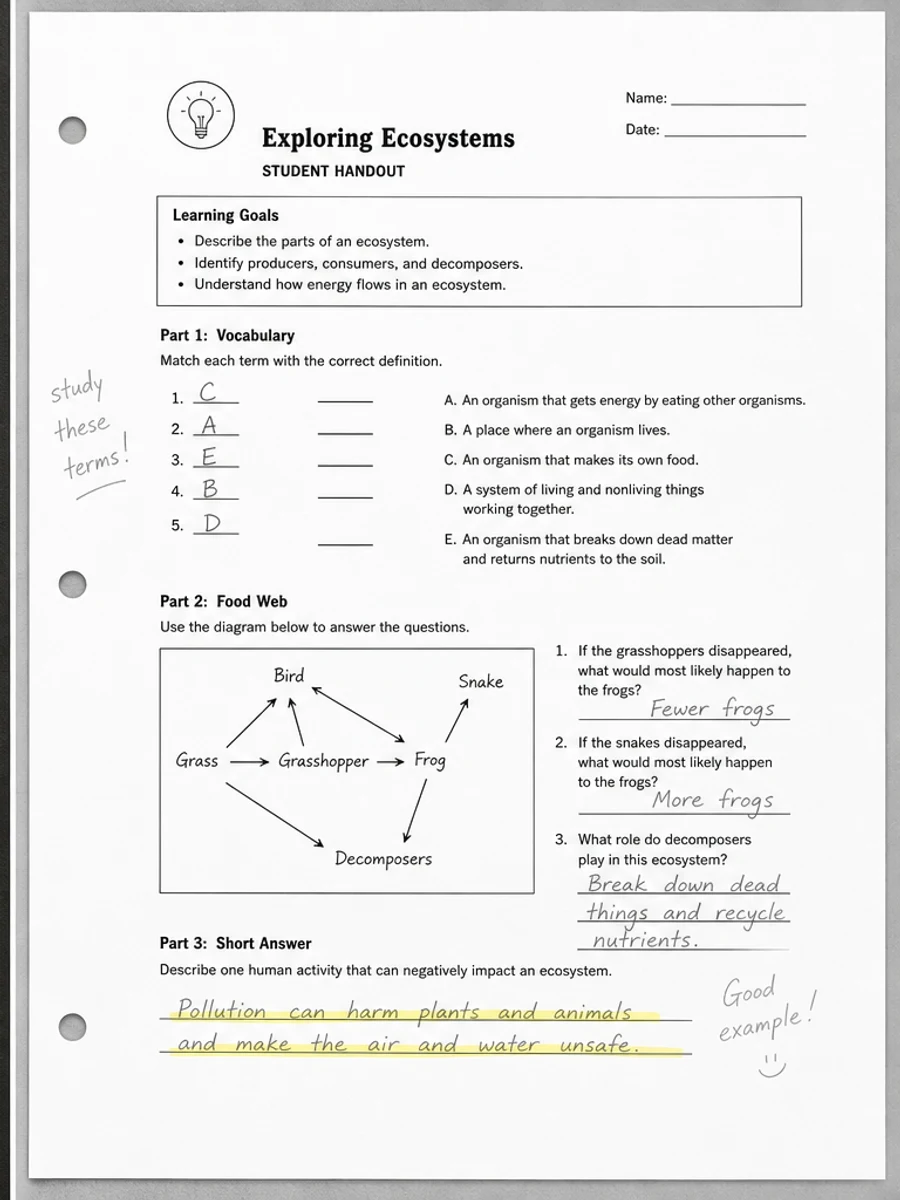
قبل وبعد: Clean a photocopied worksheet scan
خطوات العمل
- افتح ملف PDF الممسوح ضوئيا.
- اختر الصفحة التي يظهر فيها «تنظيف المستندات المنسوخة القديمة» بوضوح.
- استخدم أمر تحسين متحفظ للوضوح.
- قارن الصفحة قبل المعالجة وبعدها.
- تحقق من النصوص والأرقام والتواريخ والجداول المهمة.
- صدّر الملف بعد التأكد من النتيجة.
أوامر جاهزة للاستخدام
01نظّف صفحة PDF الممسوحة ضوئيا مع التركيز على تنظيف المستندات المنسوخة القديمة، وقلّل الخلفية الرمادية والظلال والبقع، واحتفظ بالتخطيط الأصلي كما هو.
02حسّن الوضوح بشكل متحفظ: قوِّ النص الباهت ونظّف الخلفية، مع الحفاظ على الكتابة اليدوية والأختام والجداول والعلامات.
03أعد إنتاج هذه الصفحة الممسوحة ضوئيا بصورة أوضح، دون تغيير النصوص أو الأرقام أو مواضع العناصر.
متى يناسبك RedesignPDF
- صفحات PDF الممسوحة ضوئيا التي ما زال نصها مقروءا.
- المستندات المصورة التي تحتاج وضوحا بصريا أكبر.
- الملفات التي يكون الهدف منها تحسين القراءة لا تعديل النص.
متى لا يناسبك RedesignPDF
- تعديل طبقة النص في PDF بدقة.
- تحويل PDF إلى Word أو استخراج بيانات آلي.
- المستندات الرسمية التي تحتاج تحققا قانونيا أو أرشيفيا.
Common mistakes
- المبالغة في التبييض حتى تختفي الخطوط الرفيعة والعلامات الفاتحة.
- الخلط بين التنظيف البصري وتحويل OCR.
- التصدير قبل مراجعة الأرقام والتواريخ والجداول والكتابة اليدوية.
اقرأ أيضا
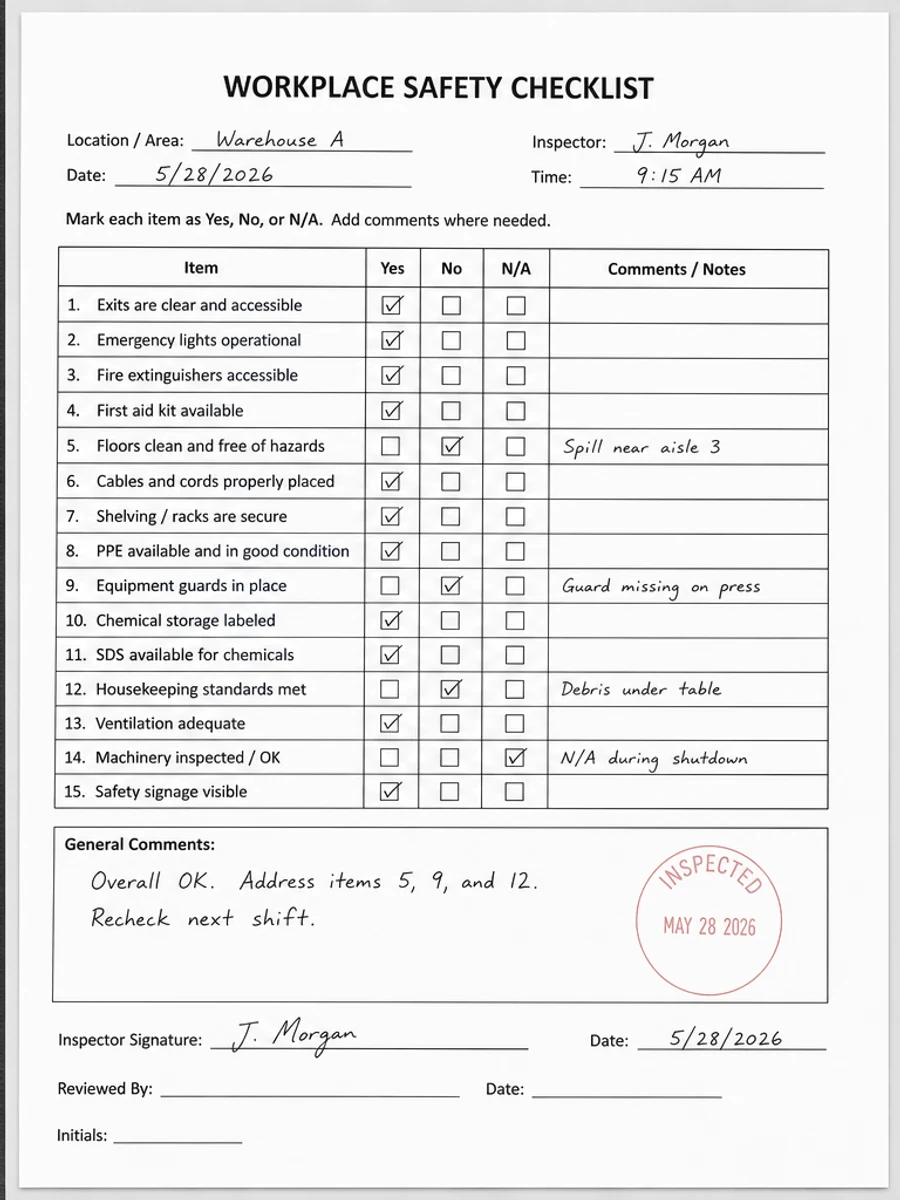
FAQ
هل يمكن لـ RedesignPDF معالجة تنظيف المستندات المنسوخة القديمة؟
نعم، عندما تكون الصفحة صورة ممسوحة ضوئيا والهدف تحسين الوضوح البصري. راجع النتيجة قبل التصدير.
هل يصبح النص قابلا للتحديد بعد المعالجة؟
لا. يعمل المحرر على صورة الصفحة ويصدّر ملف PDF مصورا؛ النص يبقى غير قابل للتحديد، وهذه ليست أداة OCR.
ما الذي يجب التحقق منه قبل التصدير؟
راجع النصوص والأرقام والتواريخ والجداول والكتابة اليدوية والأختام، لأن إعادة الإنتاج بالذكاء الاصطناعي قد تغيّر تفاصيل دقيقة.
الخلاصة
إذا كان هدفك أن تصبح الصفحة الممسوحة ضوئيا أوضح وأسهل قراءة مع الحفاظ على التخطيط الأصلي، ابدأ بصفحة واحدة وبأمر متحفظ، ثم راجع النصوص والجداول والأرقام والكتابة اليدوية قبل التصدير. أما إذا كنت تحتاج إلى تعديل طبقة النص أو تحويل PDF إلى Word أو تعبئة نماذج بدقة، فاستخدم أداة OCR أو محررا متخصصا أو أعد المسح.
ارفع ملف PDF